Please be aware, at times sensitive content is discussed within this article
During Action for Brain Injury Week, which aims to raise awareness of the issues faced by individuals and families affected by brain injury, we speak to IPF member Iain.
Iain sustained an acute, severe traumatic brain injury (TBI) in January 2013 while playing for Petersfield Rugby Club.
It was set to be Iain’s final game of rugby, as the four-AA-Rosette chef from Hampshire had just earned a promotion to go onto an executive head chef programme which would need all his focus.
Unfortunately, the fixture became Iain’s final game for very different reasons. The TBI also meant his career had to be put on hold.
Thirteen years on, while Iain still enjoys cooking, it can present a huge challenge given the concentration, coordination and dexterity required.
However, while a professional career may now be impossible, Iain’s wife Megan tells us he still makes a mean Gumbo!
Megan has been by Iain’s side every step of the way since his accident in the match she was watching with his mum.
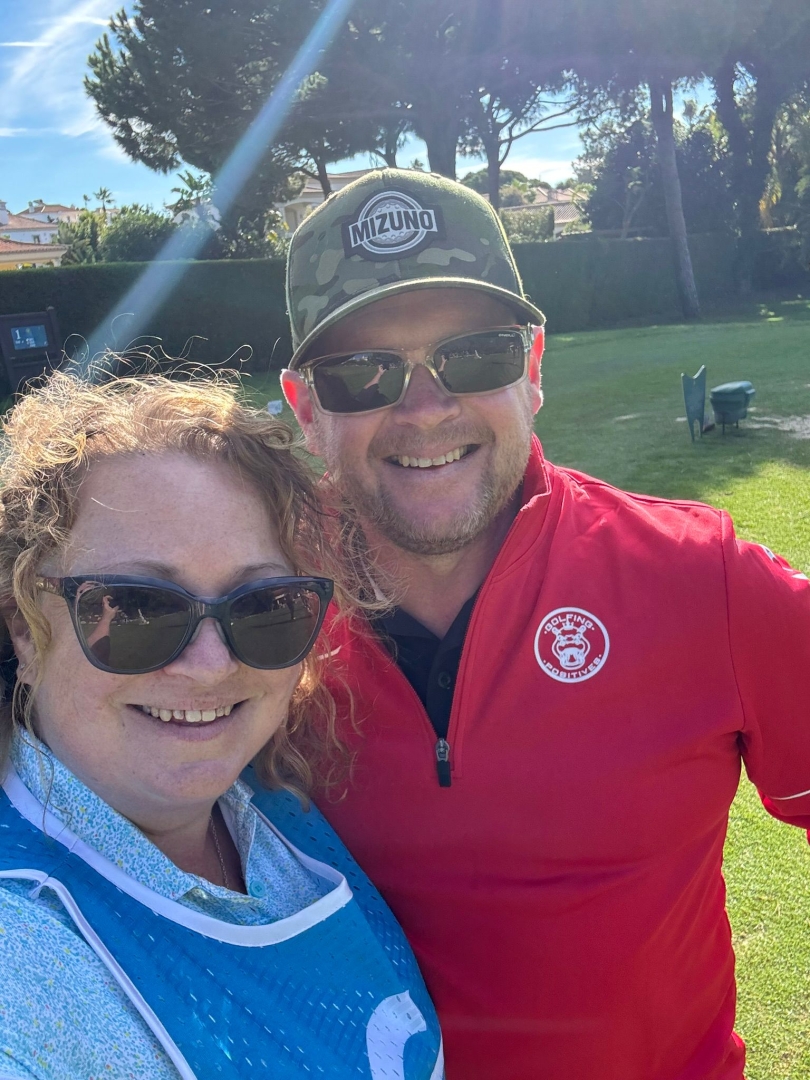
When hearing their story, it’s impossible not to be inspired by the resilience and positivity the couple have shown during the recovery process and setbacks.
Below we hear what’s happened since Iain’s injury and how, during the most challenging time in their lives, the couple have found a silver lining and support network through the rugby and golf communities.
As Megan explains: “Finding the disabled golf world was a game changer for us because Iain had lost the means for competitiveness when he had to stop playing rugby and felt he couldn't be at the rugby club or involved because of the trauma of it.”
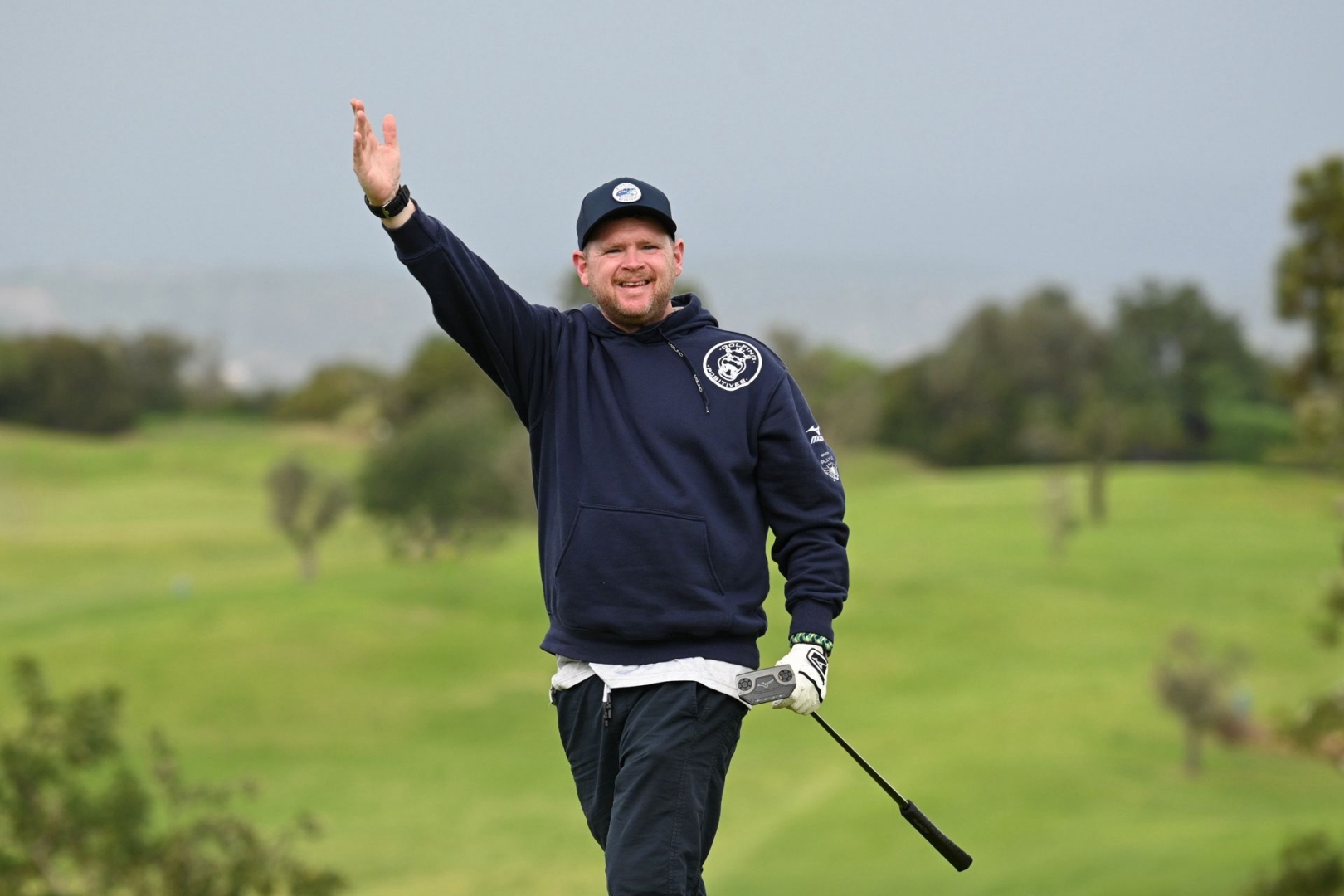
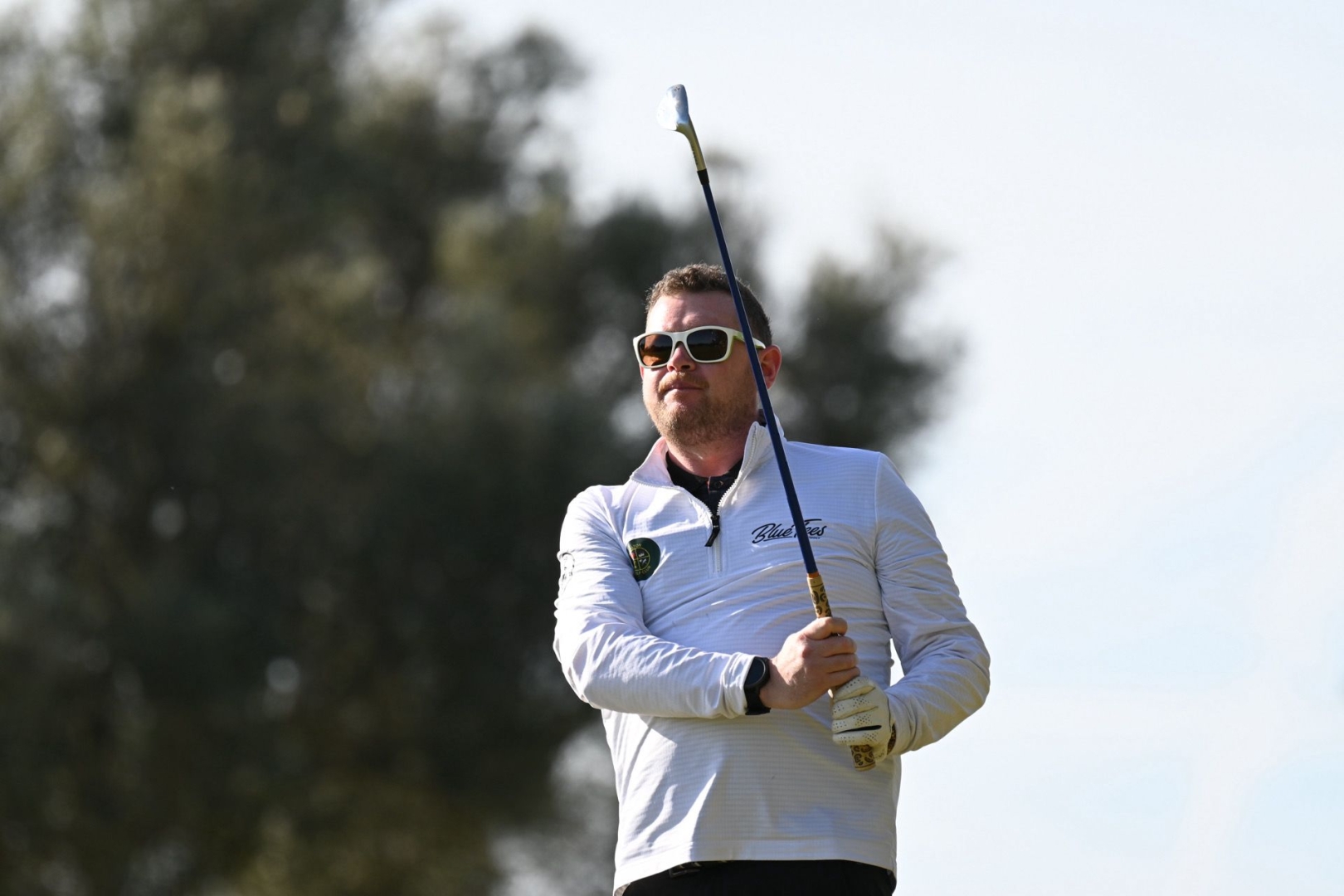
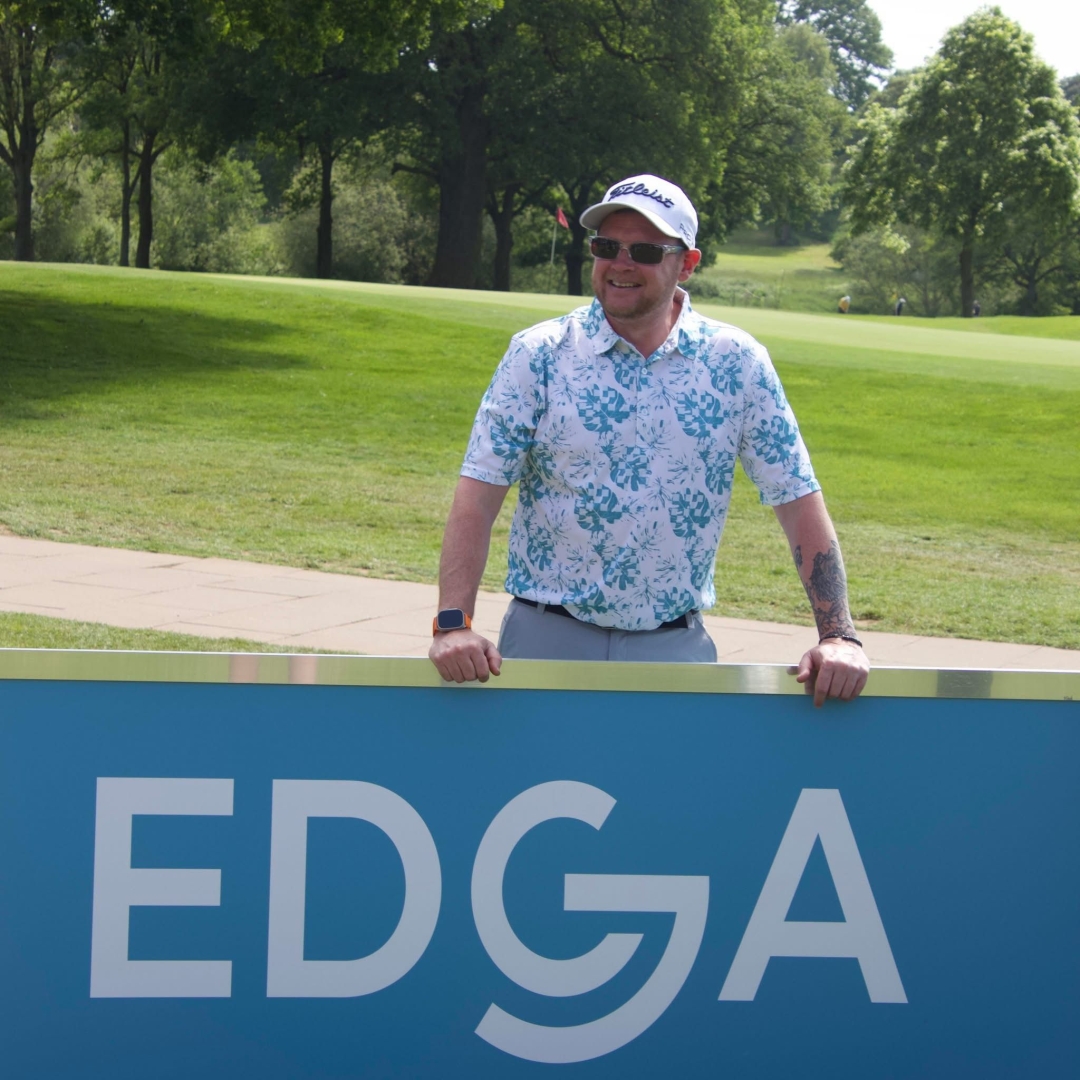
Iain is currently excelling on the European Disabled Golf Tour run by the European Disabled Golf Association (EDGA).
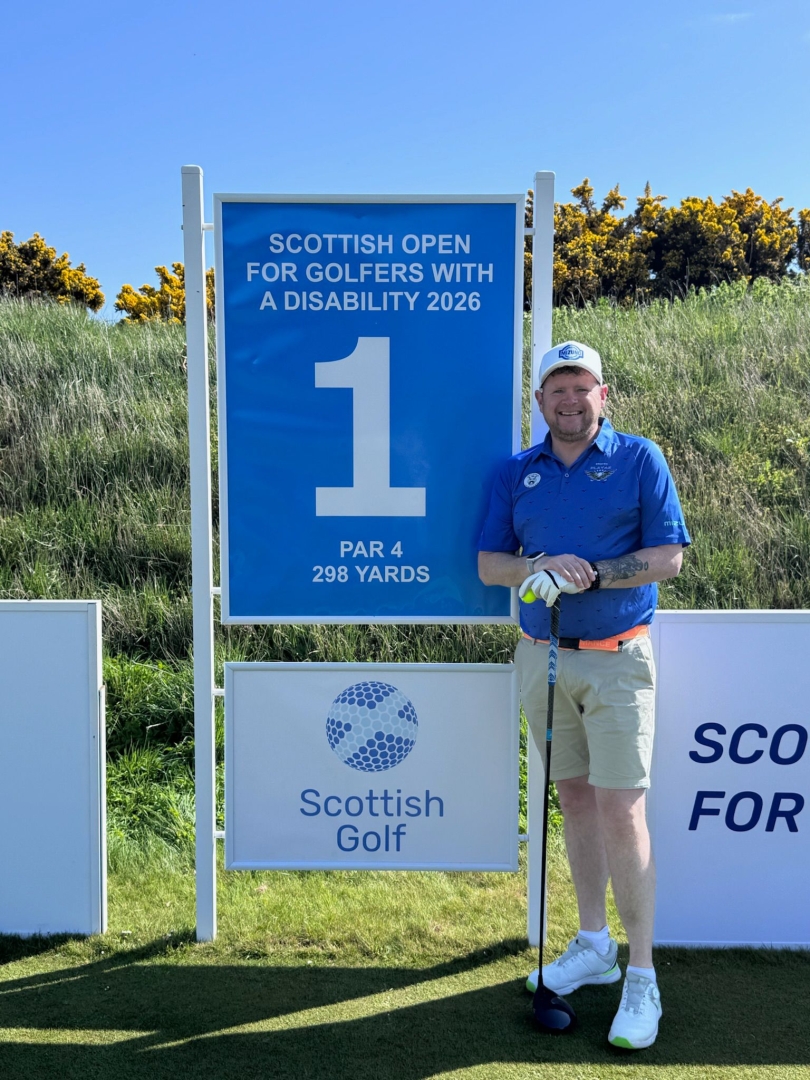
Aiming for a top ten finish at this month’s Scottish Open, Iain achieved his goal by finishing 10th after a storming last day in which he climbed 18 places and smashed his previous score, set three years ago, by nine shots!
From Michelin level chef to the darkest period, when he considered ending his life, to now, representing Scotland and Europe at golf, this is Iain and Megan’s story.
Please reach out for help if you need it: Contact the Samaritans by calling 116 123 for free, 24/7 confidential emotional support, or visit the Samaritans Homepage here
Are you ok to tell us what happened?
Megan: I will because Iain doesn’t remember much of it. It was a Saturday and, like any other Saturday, we were at the rugby club with family and friends to watch Iain and his brothers play.
The tackle he made was safe, they just landed in an unfortunate way. Iain had always been taught to protect the ball carrier, but when doing that he ended up with the combination of his own and his opponent’s weight landing on the top of his head. It was just a freak accident.
We were lucky that day because the club medic was on site and took control of the situation. Within seconds we had an ambulance on the way.
We know you’re a passionate advocate for brain injury awareness, particularly within the sport you love. Tell us more.
Megan: I think there's a lot more awareness now in rugby, and also a lot more awareness in healthcare in general than there was at the time of Iain’s injury 13 years ago.
Iain: Since the RFU brought in Headcase in 2014, it has really helped to increase education about how to manage head impacts, but I feel in some areas of the game there might still be people who have an attitude of ‘well, it’s a contact sport, it’s part and parcel of the game.’ Yes, it is a contact sport, but if a player breaks an arm, you can see that broken arm. You can't see a broken head. Brains don’t heal, it’s not a muscle or a bone that gets fixed, it’s a jelly in a box.
People are becoming more aware of ‘in doubt, sit them out’. So, it is improving and there is a greater understanding, but I feel there is still a way to go to make sure awareness levels are as high as they should be. It’s evolving as society as a whole learns more about how to protect the brain.
In my view, there's sometimes still a stubbornness from some people who say changes being made in the game are making the game soft. It’s important to explain there’s nothing soft about it, it’s simply protecting players. And not just players, it’s also protecting their mums and dads. It doesn't matter if you're 40 or seven, you're still someone's daughter or someone’s son.
Through education programmes like Headcase, attitudes will start to change among the younger age- group because we’re teaching them to spot the signs and understand what to do from early on. The players who were minis when the education really started 12/13 years ago are now coming into senior rugby, so now I think we really will start to see a turn in the tide.
The education is now ingrained in the future of our players and the future of our referees. I think the game is at a very strong place right now and protecting people’s noggins on the pitch is paramount for the longevity of the game as a full contact sport.
Megan: It’s also important for rugby player to understand, when it comes to your brain, you don't have to be strong. If something doesn't feel right, it’s OK to say it doesn't feel right. If you're told to rest post injury, rest, because that's the best way for your brain to deal with what has happened and to recover from it.
In addition to cognitive, emotional and physical challenges, can you explain how the invisible nature of the injury has affected you?
Megan: Iain masks it a lot in front of people he doesn’t know. It's only the people that really know him that see the bad days.
Iain: I do. You try to hide, I suppose, and that can become a very lonely place. Sometimes you even try to hide from your family your friends because you don't want to be seen as not being able to articulate things. I've become a lot better at understanding that I’ve had brain injuries and they have affected my life.
I did go down a dark passage, and it nearly killed me. I wanted to take myself away. You start to think about being a burden to your nearest and dearest and that it would be easier for them if you’re not around because then they wouldn’t have to deal with it. You tell yourself you’d be doing them a favour.
Sometimes you try to avoid being in social environments. But you come to learn that hiding it is the worst thing you can do, because then you are segregating yourself from the very people who are there to look after you at your time of need, and the ones who have looked after you. Those people don't judge you.
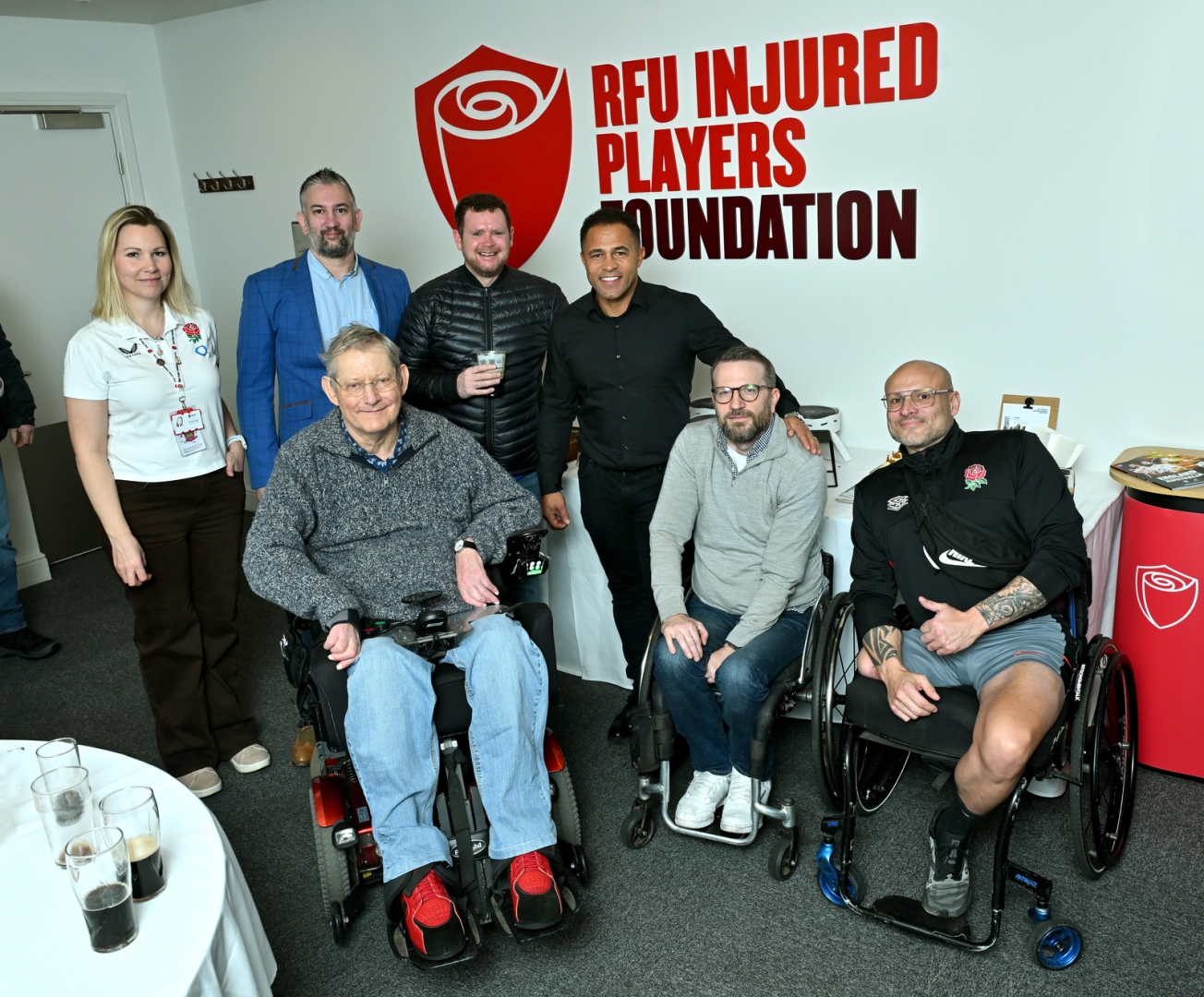
You mention social situations. Tell us about the difficulties that can present and how important it is to find places that can be your sanctuary, with people who have no preconceptions.
Iain: You can feel judged sometimes when people don't understand. As I said before, you can see a broken arm and some people assume because you’re walking and talking, you’re fine. But when you start to stutter, you're aware of people’s reactions. I’ve had time to come to terms with that now, and I accept that's just me.
I used to love going to Twickenham before my injury. Everything was so easy then, getting the train up, stopping for breakfast on the way, enjoying a pint at the Cabbage Patch, walking down to the stadium and meeting friends in the Fan Village.
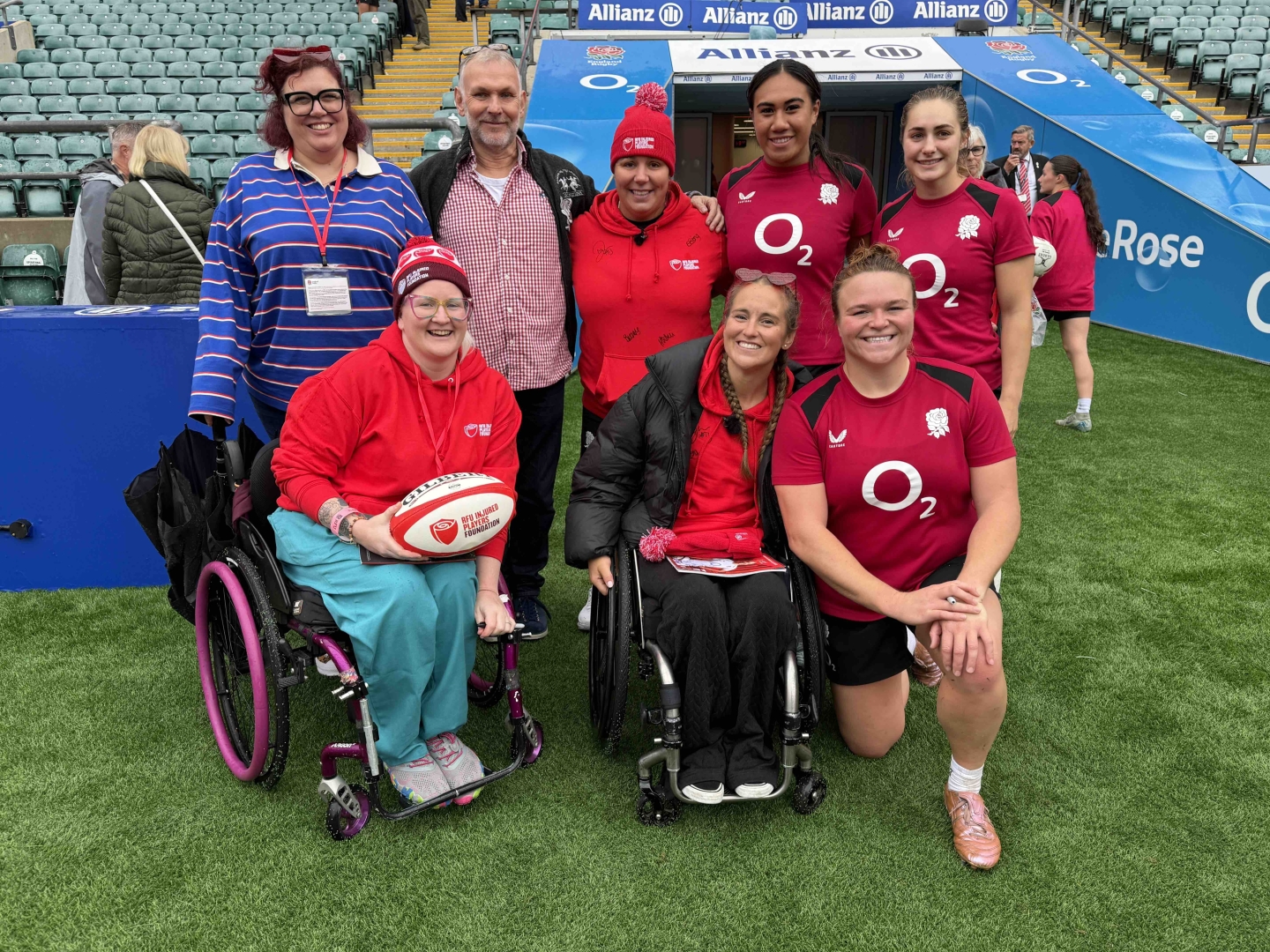
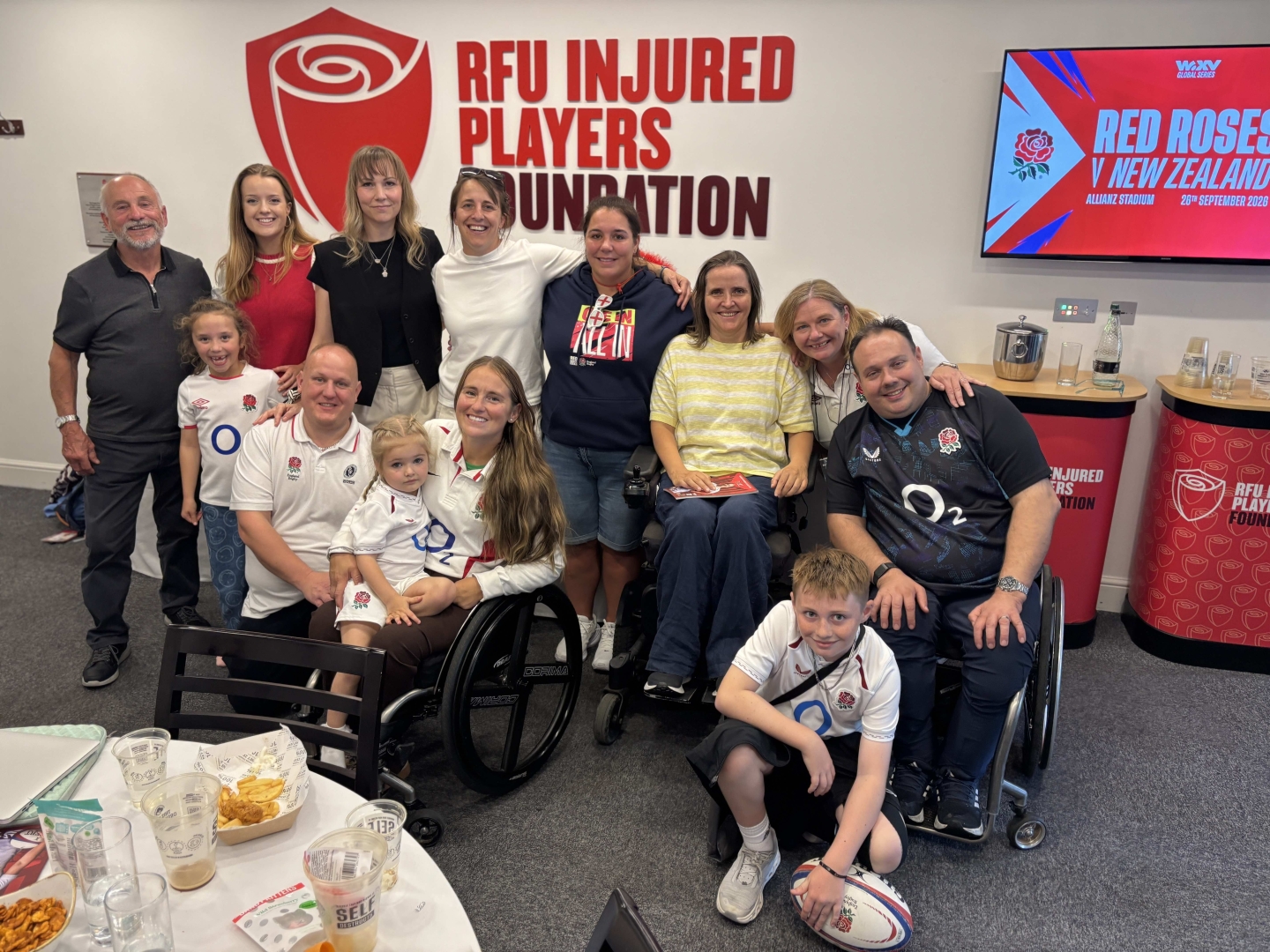
When I went to watch England v Australia recently it was strange. With all the people rushing around it felt like I was in a wasps’ nest. That’s not intended as a criticism, it’s just the impact of the brain injury and how such busy-ness makes you feel. As soon as I got to the IPF hospitality, with other injured players, a complete calm came over me. There were people there who understood.
Megan: We're surrounded by people that get it now. You learn what's important after an injury like this, and who's important. Post injury and disablement your world can get very small, but ours has actually grown because of disabled golf and the friends we’ve made through it around the world.
Iain: I would say to anyone who has had a traumatic brain injury, remind yourself there are people that will understand and there is help out there. If you are alone and you don't have family around, there's other places who can help you starting from your GP and all the way through to other services.
In rugby, we’re lucky to also have the RFU Injured Players Foundation. With the help of the IPF I am getting the help I need in rehabilitation with Hobbs Rehabilitation, which has helped my balance and my confidence improve. That rehabilitation has been key for me. The IPF have taken one part of my life, that I've not been able to use for a long time, and through rehabilitation I'm starting to use it all again. It's amazing, it really is. The IPF have also supported me with funding for a motorhome which gives me the ability to travel for golf so I can continue to enjoy my new sporting passion and compete at the top level.
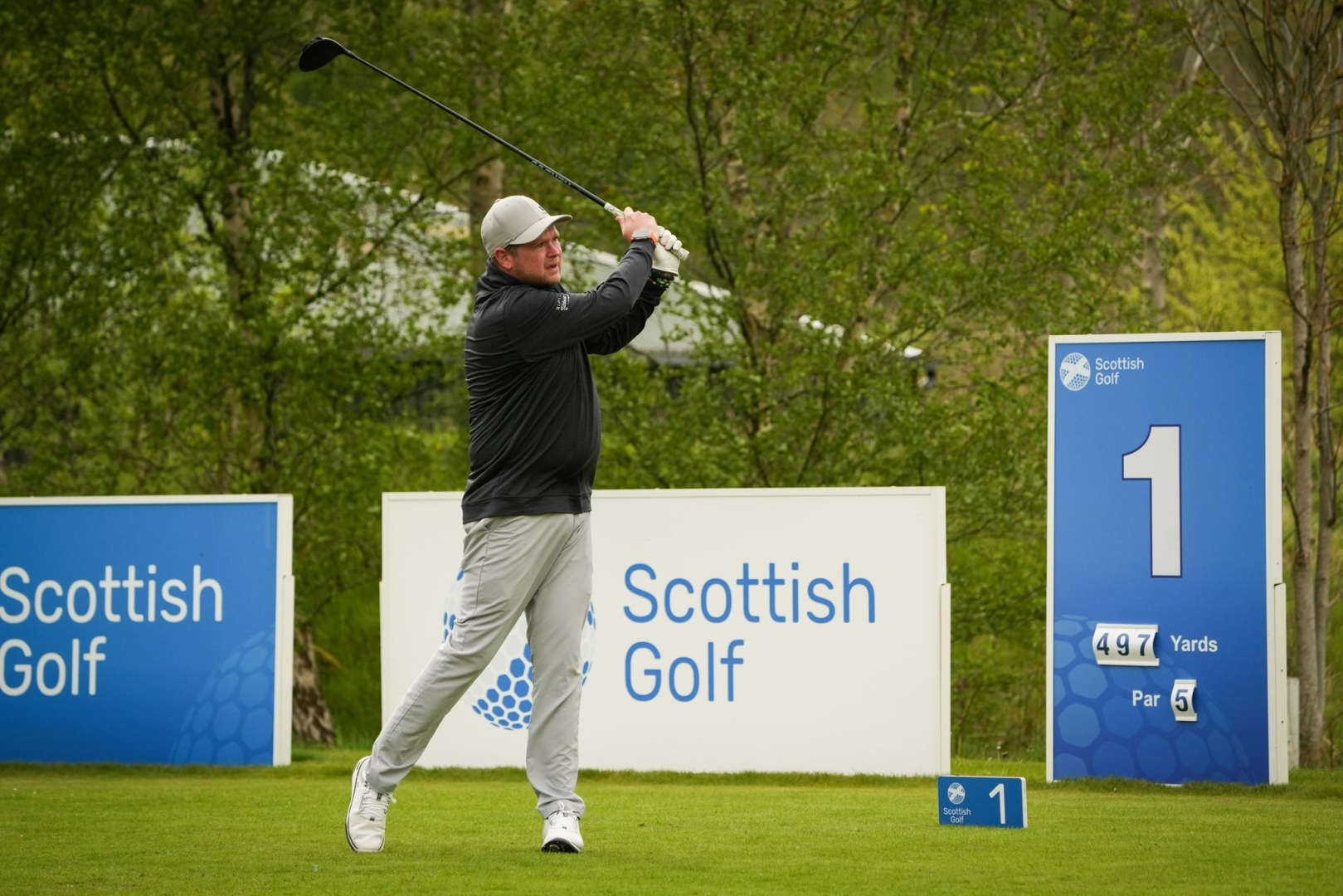
Is there anything in society in general that people could be more sensitive to, or aware of, to make people’s lives easier when they’re living with brain injuries?
Megan: The simplest and most important thing is don’t judge. I’d also say don’t be afraid to ask about a disability or check in on someone. Brain injury survivors are just that – survivors. They're no different to any of us, but you don't know what's going on underneath the skin because it's not a simple injury. It affects everything from head to toe and everyone who sustains a brain injury has different experiences.
We've learned a lot about how the brain affects different parts of the body. We discovered tiny things like Iain wasn’t moving his eyes independently to his head when looking at something, which affected his balance. That's something you take for granted.
Iain: I’d say, people you just need to be understanding. Not just if someone has had a brain injury, but if someone is wearing the sunflower badge for a disability you can't see, take time to say ‘hello, how are you?’ Just asking that one question might be the difference to someone's day. I know it makes my day because they're interacting and treating me as they would any other person. That’s what I always try to get across - we’re just like you - we’re all people with names.
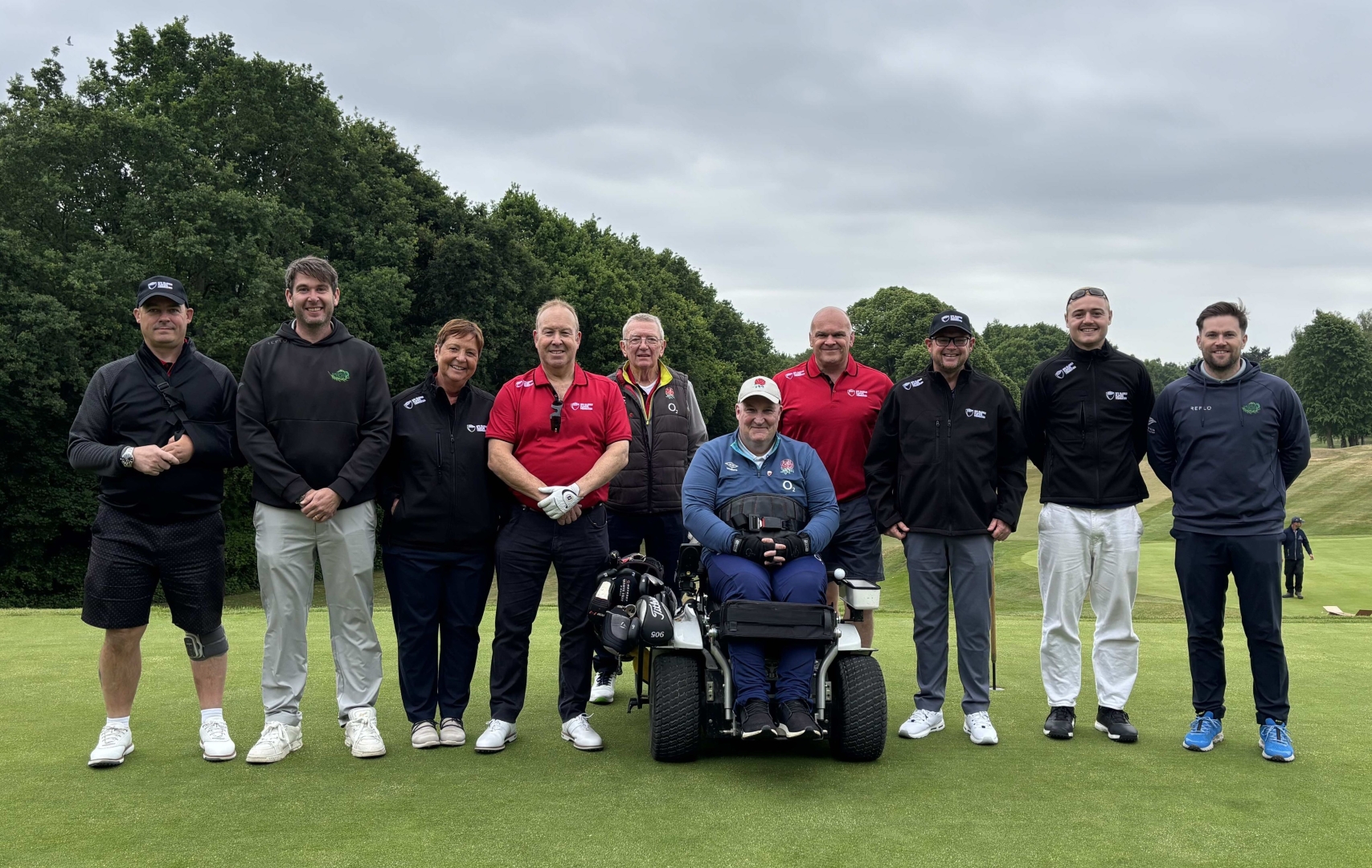
How important was it being reconnected with the rugby family years after your accident?
Iain: I will never forget the day I met IPF Welfare Manager John Burgess at a disabled golf event which he was attending with IPF members. John scooped me up and brought me back into the fold.
Now, the IPF for me is a rugby club within a rugby club. When you go to an IPF event you know you’re heading into a room where there's no judgement. We're all in the same boat whether you’re in a wheelchair or with my kind of injury. We’re just people and we all treat people how we want to be treated. That engagement is so important.
Megan: Rugby's been a part of Iain’s life since before he could walk. All three boys followed in their dad's footsteps onto the rugby pitch. It was weekends, it was friendships, it was rugby dinners and rugby friends around the house.
So, when the IPF brought him back into the rugby family, it was so important because it's a special community. You can walk into any rugby club in the world and be welcomed because you’re a rugby person. It’s a family and everyone within the Injured Players Foundation understands what you’re going through.
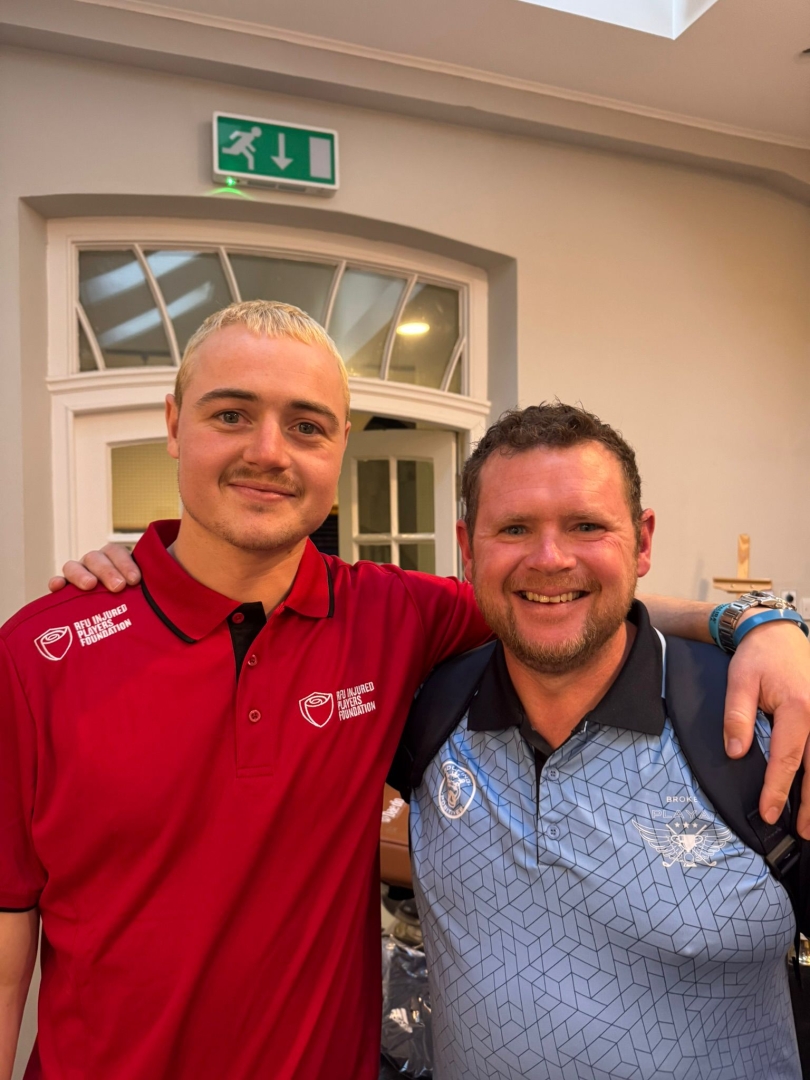
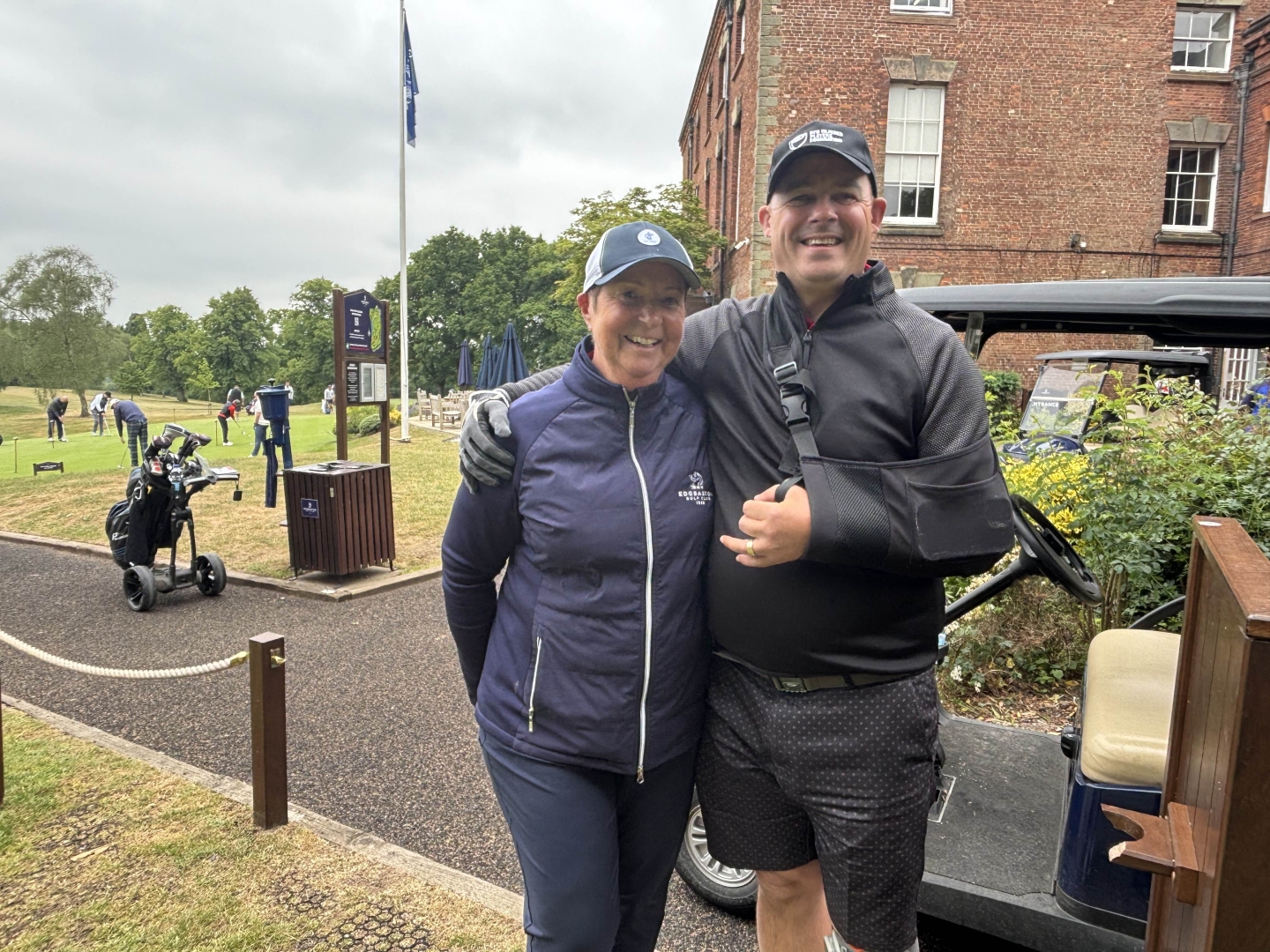
The IPF then invited us to an event at Edgbaston Golf Club with other players with life-changing injuries. I don’t think I’d seen Iain smile as much as he did that day since his injury. He was laughing from start to finish. He was with people who understood not just the nature of the injury but understood him as a former rugby player.
We’ve only met Duncan, who also sustained a TBI, a couple of times but it's like we've always known him. The two of them take the mick out of each other just like you would do in a rugby club. That's just rugby, banter with no malice. There’s so much respect there too.
The impact on families can be huge after a TBI, where do you find your positivity from?
Iain: I do say it could have been a lot worse because I'm walking and talking, so how lucky am I? I still have use of all my limbs, be it limited on my left-hand side, but not everyone has that.
Megan: It's been a journey. That’s the only way you can look at it. We've always approached life and the injuries as ‘it could have been worse.’ We've always tried to find the good in a bad situation and just battled through.
It’s been a huge journey to learn what works and what doesn't work, and we’ve had to learn to plan and pace ourselves. I'm so proud of Iain for how far he's come and for battling through those bad days because it's not easy. This is just a new adventure for us. If it hadn't happened, we wouldn't be travelling the world with Iain playing golf and about to represent Europe against the States for the second time.
What’s next?
Iain: Next up will be The English Open at The Shire between 22nd to 24th June. That’s swiftly followed by the biggest tournament of the lot two days later - the Midlands Golf Day in aid of the IPF at the Edgbaston Golf Club!!
Then I’m competing in The Cairns Cup [Disability Golf matchplay] It’s Ryder Cup format with a team of 16 Europeans against 16 Americans. Two years ago, we competed in Cherry Creek, Michigan. This year it’s Europe’s turn to host so we go to San Roque in Spain in July. We lost the last Cairns Cup by one point, so we need to win this one and we’ve got a strong team. I’m currently 7-0 against America so I want to keep that winning run going!
Alongside that, I will continue to commit as much of my time as possible to Broken Playaz, which helps to change lives by supporting others with similar disabilities start their new pathways within golf.
I’m dedicated, along with Oliver, Jason and Phil to supporting disability golfers. Finding them sponsorship or supporting them on their journey in golf, be it from grassroots or as an established player, is really important to me. In the past 24 months I’ve supported 15 other competitors by gaining sponsorship deals they desperately need to carry on playing at a top level.
I couldn’t do what I do now without the support of my amazing club and coach Ban Cummings at Alton Golf Club who have provided me with honorary membership and coaching at no cost. Also, not without Mizuno Golf who have backed me with full sponsorship. I feel so lucky and honoured to be part of the tour and could not do what I’m doing now without their backing. It’s like I’m living the dream.