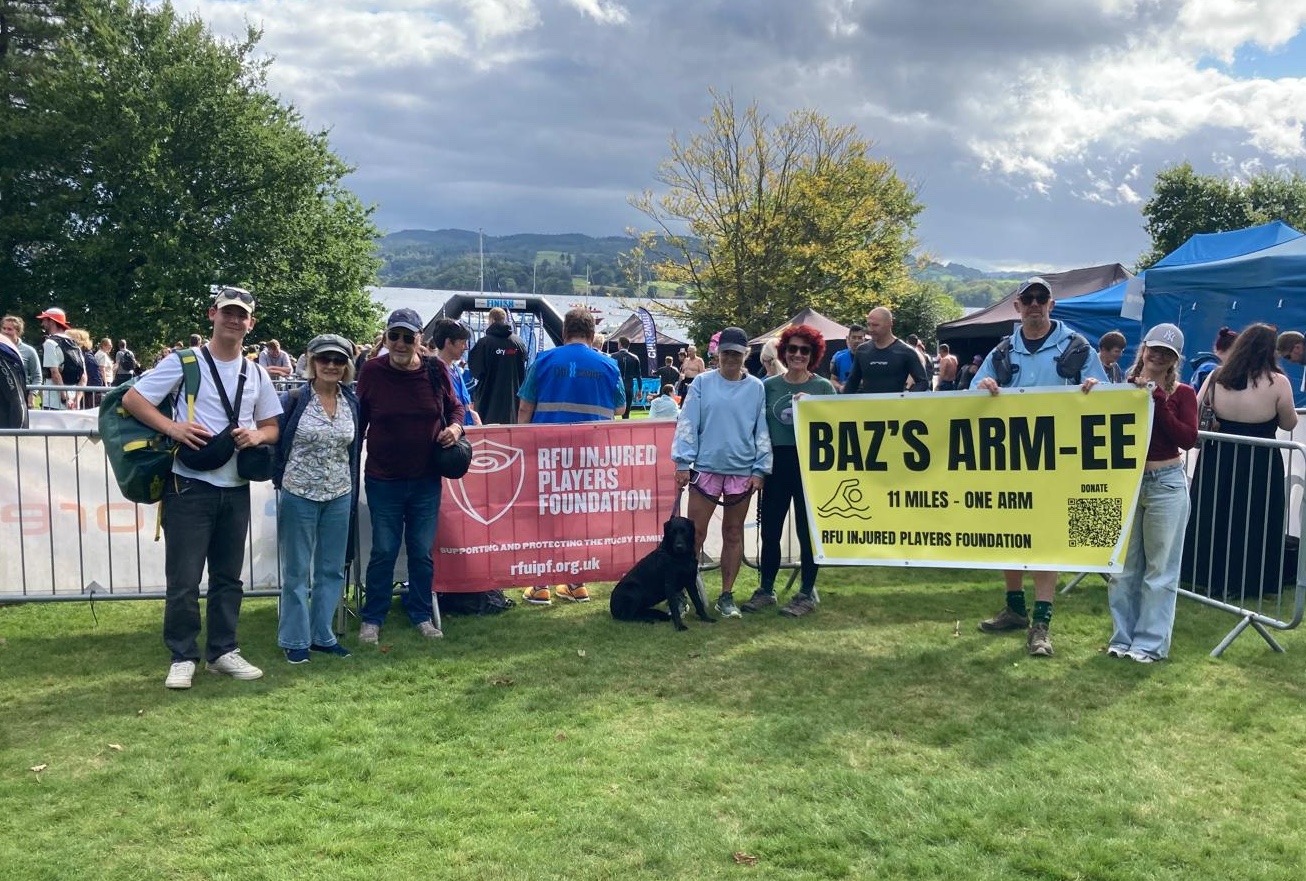
After 9 months of gruelling training swims along rivers, pools and oceans, IPF member Barry Davids reached his final destination – Lake Windermere and the swim of his life.
Below, Barry recounts his experience of the 11-mile ultra marathon, the UK’s longest lake swim. Over to you Barry and thank you!
Nine months ago, in January, on my 50th birthday, I committed to one of the biggest challenges of my life so far. I’m involved with the RFU Injured Players Foundation and I wanted to raise money and awareness for them, so I signed up for the Chillswim Windermere End to End, an 11-mile swim.
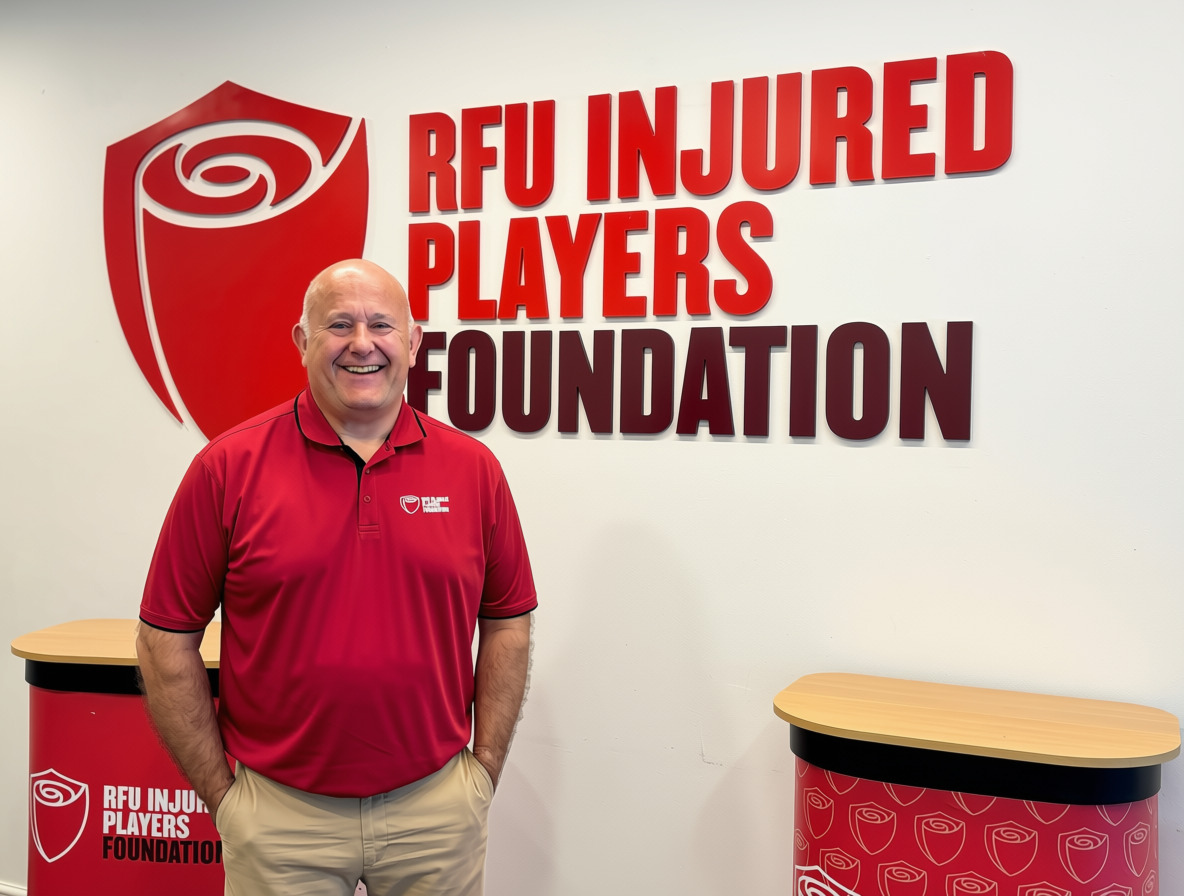
The Injured Players Foundation (IPF) is England Rugby’s official charity and supports players at any level of the game who have sustained an acute life-changing injury while playing rugby union in England.
Thankfully, these kinds of injuries remain extremely rare in the game. However, if one does occur on the pitch, the IPF is on hand to provide emotional, practical and financial support for a player and their family.
Having sustained a brachial plexus injury (nerve damage around the spinal cord) playing rugby 20 years ago, before the charity existed, I know how much of a difference IPF support then would have made in my life, just as it does for players today.
From the day I signed up, I knew the event itself would be only the final part of a much bigger journey. Getting to the start line was going to be the real challenge. That became clear almost immediately: on my birthday, my family surprised me with a go-karting treat, and driving those karts one-armed was tougher than I expected. I strained my working arm before my training had barely begun.
This typifies some of the hidden challenges of living with a disability like mine: everyday tasks can put twice the strain on my working arm, which means I often feel at greater risk of injury than able-bodied people.
Nevertheless, I had committed, so I eased off a little and tried to let the arm heal without losing too much swim fitness. I was already behind my training plan, but it was not time to panic; there was still time to recover. The strain still hasn’t fully healed, but over the months I learned to manage it well enough to keep swimming.
I really enjoyed the training. I never reached the point of thinking, “Why am I doing this?” and before long I was finding 5K swims comfortable. By May, I had managed a few 10K-plus swims. Then the sea warmed up and things really took off as I worked steadily towards the event, building both endurance and mental resilience. I also had the pleasure of spending a week swimming in Montenegro with Swim Trek, which was a brilliant way to get the miles in.
I was starting to get more discomfort in my arm, with rotator cuff pains and general stiffness. I needed regular sports massages which were some of the most painful things I had to endure in this whole journey.
In early August, I had my first real test: the Henley Swim Thames Marathon, a 13km river swim. It was a brilliant event and it went well for me. I completed it in relative comfort in a little over four hours, and that was the first time I thought I might genuinely have a chance of completing Windermere.
Time flew by, and before I knew it, I was up in the Lakes getting ready. I had been feeling confident — so confident, in fact, that I started worrying I shouldn’t be feeling that confident at all.
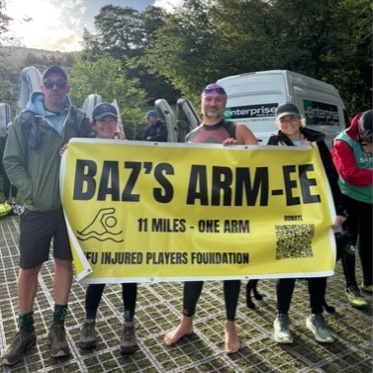
On the morning of the swim, I woke up feeling suddenly apprehensive. The previous day’s rain had cooled the lake, and I was worried about the cold. But when I arrived at the start, I had a lovely surprise: my family had made a banner for me, and my spirits lifted.
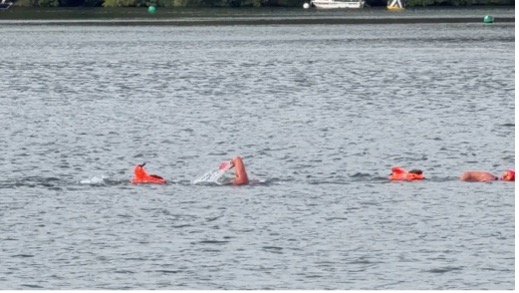
Once in the water, the lake was chilly, but not as biting as I’d feared. I had a plan to feed every two miles, which I stuck to for the first four. At the halfway mark, around five and a half miles in, I had to stop and wait for a ferry. That pause let the cold settle in, and with it came the doubt. I broke my feed plan there, fed again at seven miles, and from that point the swim became a mental battle. I could only manage it by breaking the distance into smaller pieces: one mile marker at a time, one target at a time, one stroke at a time. If I thought about how far was left, the negative thoughts crept in. Treating it as a series of mile swims was the only way I could get through it.
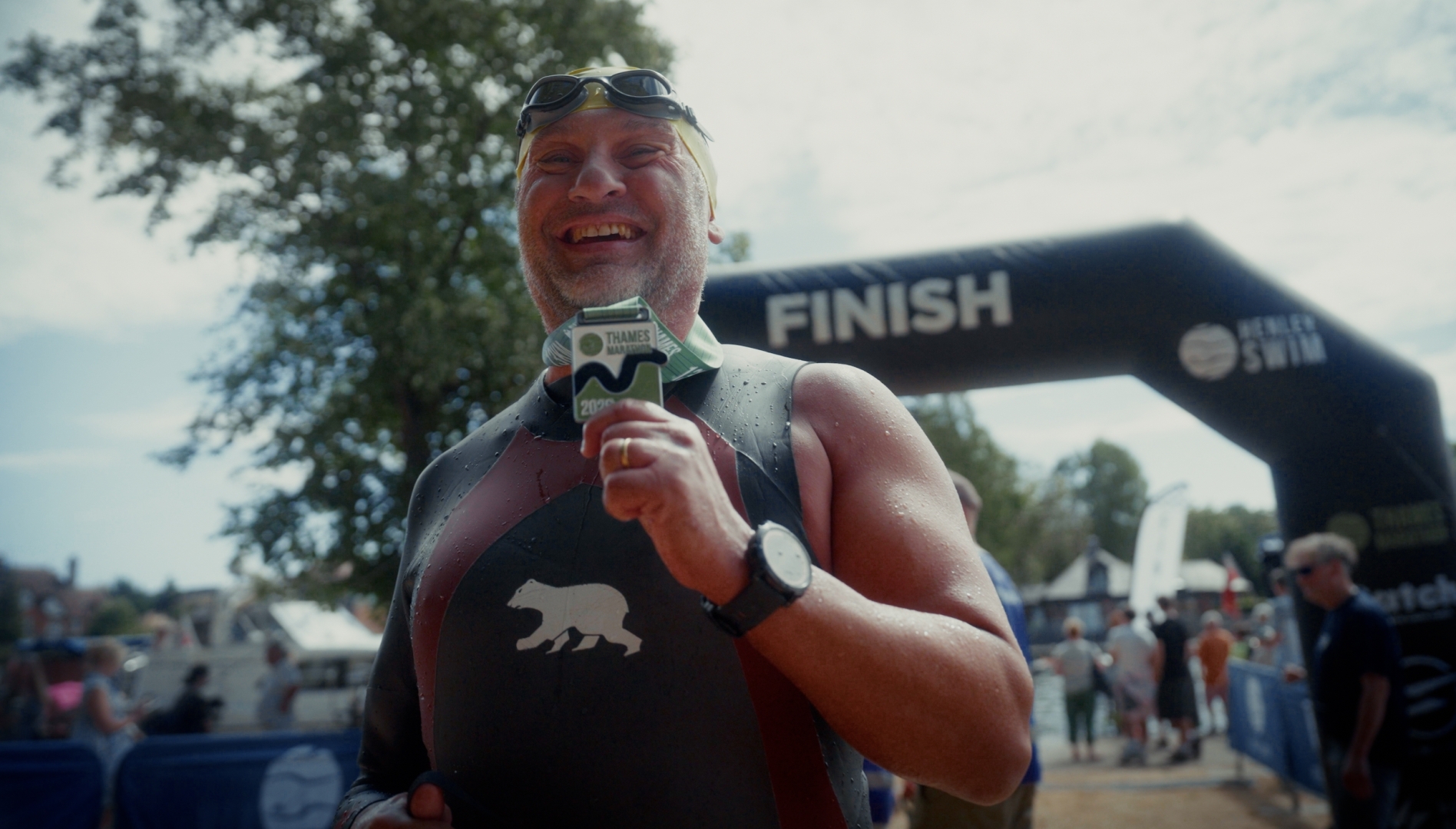
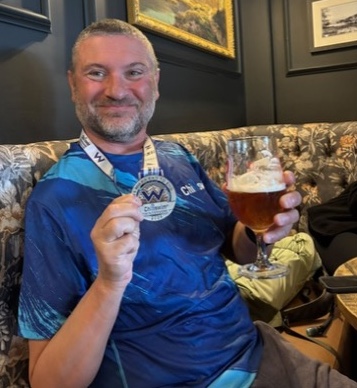
As I neared mile nine, optimism returned. I could see the end in sight, and for the first time in a while I started to believe I really could finish. That gave me the final boost I needed to finish strong. I came into the finish with my family cheering and I was overcome with emotion. I tried to hold it in, but when I hugged my wife Liane, the tears started to flow. “Never again!” I told her….
You can see my relief in this video as I chat to IPF Trustee Roger Badman after completing the swim. Thank you Roger for supporting on the day and for the congratulatory bottle of bubbles! More videos are available on the IPF’s Instagram channel @RFUIPF
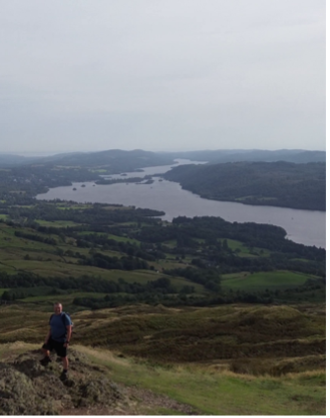
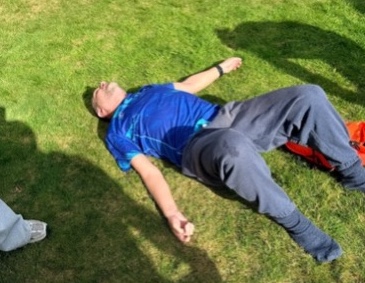
The next day, the reality of what I’d accomplished began to sink in. My arms and hips were stiff from the effort, but we still managed a hike up a hill overlooking Windermere. From that vantage point, I could finally appreciate the scale of what I had swum. And even though I had joked at the finish that I would never do it again, a quiet sense of pride began to take hold — followed, almost inevitably, by the thought of maybe again? Perhaps I could.
I couldn’t end this without thanking so many people for my support. First and foremost is my wife, Liane, who has had to put up with 9 months of me selfishly focusing everything we did around swimming. It was practically all I talked about.
Then my kids were all so supportive of me and they endured the bore I had become and managed to show interest in what I was doing despite some major events happening in their own lives.
I had many family members and their partners come up to support me at the event and they were invaluable to me just by being there.
And then there was the RFU Injured Players Foundation who supported me all the way and embraced the challenge with me.
And finally, to everyone who has supported me through words of encouragements or donations to my fundraising challenge, a huge thank you from the bottom of my heart.
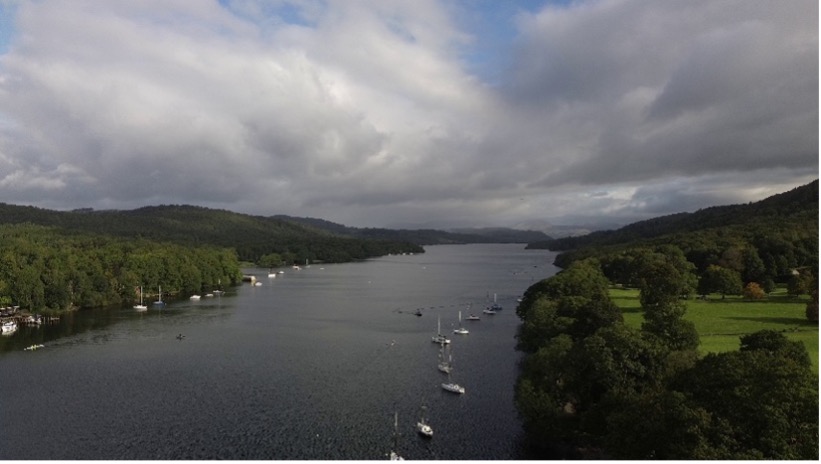
If the final view pictured below, across Lake Windermere, gives you even a glimpse of the scale of the challenge — and of what it meant to swim it using only one arm — please consider donating: your support backs both the RFU Injured Players Foundation and me personally in taking on something so huge. Donations can be made via this Just Giving page or using the QR code.